Snow Moon (Snow Moon (スノームーン - 2月の満月: Algonquin Winter Lore, the Hunger Moon Crisis, Apogee 'Micro-moons', and Metaphysical Purification)
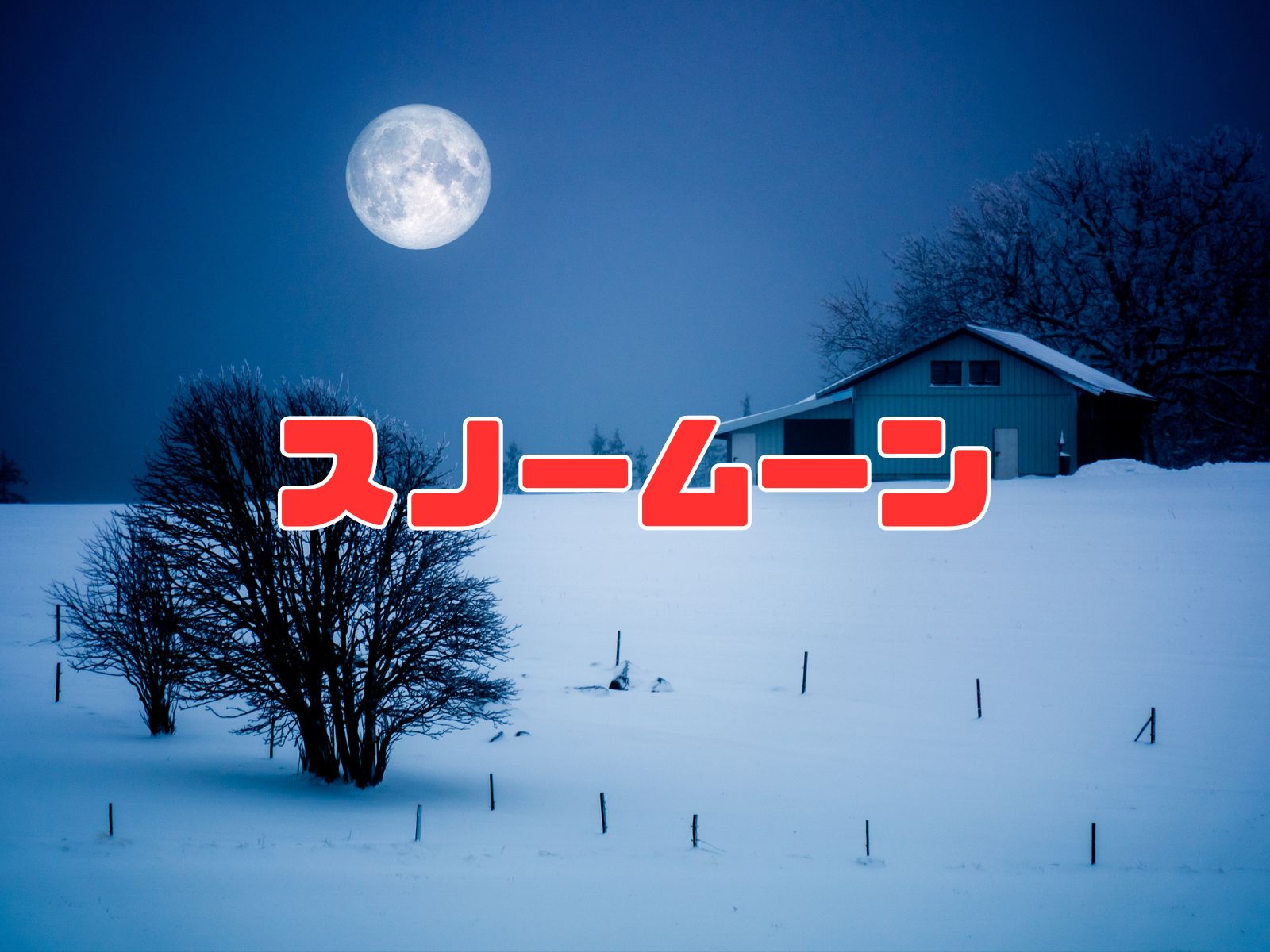
The "Snow Moon" (スノームーン) is the traditional name given to the full moon that rises during the month of February. In the annual astronomical cycle, each monthly full moon is assigned a distinct name, and the Snow Moon stands as a glowing symbol of the peak winter season.
Etymology and Indigenous Origin
The name "Snow Moon" originates from the seasonal calendars of Native American tribes in North America.
Particularly utilized by the Algonquian-speaking peoples, this name reflects the fact that February is historically the month of heaviest snowfall in northeastern regions.
Because the deep winter snowdrifts blanketed the forests, making hunting and traveling extremely difficult, the native peoples wittily and accurately branded this winter full moon as the "Snow Moon."
Furthermore, due to the freezing temperatures, deep snows, and complete lack of fresh vegetation, wild game was exceptionally scarce, leading to widespread food shortages. Reflecting these harsh survival conditions, some tribes also referred to the February full moon as the "Hunger Moon" (飢餓月 - Kigatsu).
Other Traditional Names
In addition to "Snow Moon" and "Hunger Moon," various cultures historically assigned other descriptive names to the February full moon—including the "Storm Moon" (marking severe winter blizzards) or the "Bone Moon" (reflecting the sparse food supply where people chewed on bones for sustenance).
Astronomical Characteristics of the Snow Moon
- The Magic of Snowy Refraction:
The Snow Moon is visually celebrated for its cold, piercing clarity. When shining down upon a snow-covered landscape, the moon's light reflects off the pristine white snow, creating an incredibly bright, magical, and ethereal nighttime illumination. - Apogee Full Moon Cycles ("Micro-moons"):
Because the Moon's orbit around the Earth is elliptical rather than a perfect circle, the distance between the two bodies shifts throughout the year. In certain years, the February full moon aligns with the Moon's farthest point from Earth (apogee). When this occurs, the full moon appears roughly 14% smaller and 30% dimmer than a standard supermoon. Astronomers refer to this apogee peak as a "Micro-moon" (as observed during the 2024 Snow Moon).
Spiritual and Metaphysical Meanings
In modern spiritual and astrological circles, the Snow Moon is believed to hold deep, cleansing energies:
- Purification, Clarity, and Renewal:
Just as fresh snow blankets and purifies the earth, the Snow Moon is celebrated as a powerful energy source for spiritual cleansing. It is the perfect timing to purge old, negative thoughts, let go of emotional baggage, and prepare for a fresh start. - Deep Inner Reflection and Stillness:
Shining in the silent cold of winter, this moon encourages individuals to look inward, practice self-reflection, and listen closely to their quiet inner voice. - Cultivating Relationship Harmony and Cooperation:
Astrologers often associate the Snow Moon with "coexistence," "order," and "harmony." This makes it an auspicious timing to meditate on healing interpersonal conflicts, strengthening friendships, and building peaceful social bonds.
Tips for a Successful Observation
- Date: Check lunar calendars for the exact date of the February full moon.
- Timing: The moon is visible throughout the night. Checking the exact moonrise time allows you to catch it as it dramatically scales the winter horizon.
- Location: Choose a wide-open area free from tall buildings. If observing in a snowy region, the snow reflection will create a highly brilliant, luminous atmosphere.
- Crucial Winter Warmth: Because February is exceptionally cold, dress in heavy winter layers to ensure a safe, comfortable stargazing experience.
Snow Moon Calendar: Dates from 2024 to 2030 (JST)
Below are the precise times when the Moon reaches its peak full phase in Japan Standard Time (JST):
- 2024: February 24 (Sat) at 8:30 PM *(Micro-moon)*
- 2025: February 13 (Thu) at 9:53 AM
- 2026: February 2 (Mon) at 11:51 PM
- 2027: February 21 (Sun) at 4:47 AM
- 2028: February 10 (Thu) at 10:26 PM
- 2029: January 31 (Wed) at 12:48 AM
- 2030: February 19 (Tue) at 5:40 PM
Traditional Names of the Monthly Full Moons
- January: Wolf Moon (ウルフムーン)
- February: Snow Moon (スノームーン)
- March: Worm Moon (ワームムーン)
- April: Pink Moon (ピンクムーン)
- May: Flower Moon (フラワームーン)
- June: Strawberry Moon (ストロベリームーン)
- July: Buck Moon (バックムーン)
- August: Sturgeon Moon (スタージョンムーン)
- September: Harvest Moon (ハーベストムーン)
- October: Hunter’s Moon (ハンターズムーン)
- November: Beaver Moon (ビーバームーン)
- December: Cold Moon (コールドムーン)
About "Snow Moon (Snow Moon (スノームーン - 2月の満月: Algonquin Winter Lore, the Hunger Moon Crisis, Apogee 'Micro-moons', and Metaphysical Purification)"
This page provides the English definition and usage guide for the professional term "Snow Moon (Snow Moon (スノームーン - 2月の満月: Algonquin Winter Lore, the Hunger Moon Crisis, Apogee 'Micro-moons', and Metaphysical Purification)." If you have any suggestions, feedback, or corrections regarding our terminology articles, please feel free to reach out via our contact form.